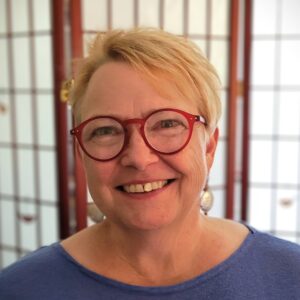
Presenter: Colleen Croff, LCSW

My name is Colleen Croff. I have been a therapist for 21 years. My full time position entails being the Clinic Director of Beehive Mental Health in Midvale. We are a general outpatient practice. In addition to my clinic director role, I also have a side therapy/coaching business that I own that has been established since 2014. In addition to being the clinic director at my current OP practice, I have also been a clinic director for an IOP specializing in anxiety as well as for a teen residential treatment center for females. I have spent 16 years in residential treatment working with youth prior to clinic director roles for the past 5 years. My practice specialties include anxiety, trauma, ADHD, life transitions, grief/loss and level 1 autism. I have been fortunate to train other companies and center in anxiety and suicide prevention as well as speak at several conferences on various mental health topics. When I am not doing what I love in therapy, I am busy parenting 3 children and enjoying my pets, family time, the outdoors, music and good food.
Presentation: When Providers Find Themselves in the Throes of Life
This presentation will cover a therapist’s personal journey with experiencing events of struggle while holding a job that is a caregiver role to others. We will cover the traps of being in a caregiver role as a profession and the specific challenges we face in getting our own support and help. We will end with discussing what it can look like to support ourselves to continue to valuable work we care deeply about.
Overview:
- Intro to myself and my history as a provider – specializations and passion for trauma
- My story- what the last eight years have been like being a practitioner while navigating losing two family members to suicide – what I found challenging
- Why we are a vulnerable population – the traps of being in a caregiving field
- Challenges of supporting ourselves when we are responsible for supporting others
- How can we truly support ourselves in a caregiver profession- tips, tricks and tools